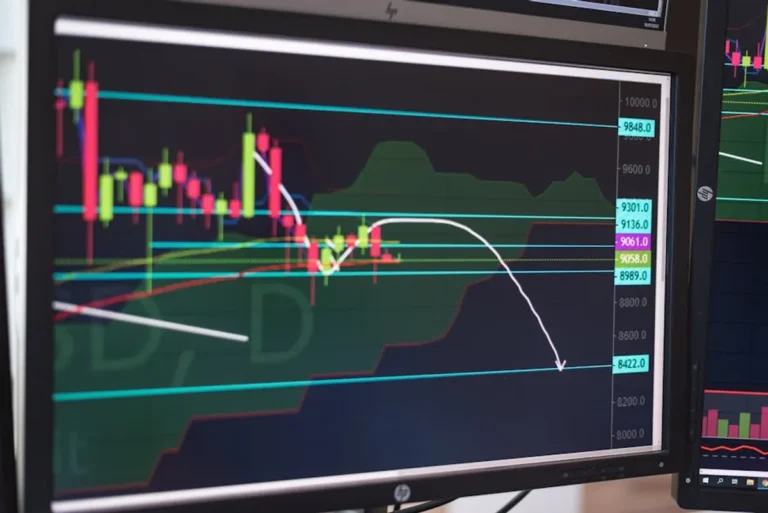
Distinguishing between routine SERP churn and a catastrophic ranking collapse is the difference between a measured strategy adjustment and a wasted weekend of panic-driven over-optimization. Every day, thousands of keywords shift positions as Google tests new snippets, adjusts for local relevance, and processes minor core updates. For most enterprise-level sites, a 3-5% daily fluctuation in keyword positions is not just normal; it is expected. The danger arises when volatility correlates with specific technical failures or a fundamental shift in how Google interprets user intent for your primary revenue-driving queries.
Defining the Baseline: Daily Churn vs. Structural Shifts
Normal volatility is often the result of "Query Deserves Freshness" (QDF) triggers or localized competition. If you are tracking a broad set of commercial keywords, you will notice that positions 4 through 10 are frequently in flux. This is rarely a sign of a site-wide issue. Instead, it reflects Google’s ongoing A/B testing of SERP features like People Also Ask (PAA) boxes, Image Packs, and Sponsored listings that push organic results down the page. This is why effective tracking is key; understanding how to approach tracking Google ranking swings will save you time and stress.
Baseline Metric: A healthy site typically sees "micro-volatility," where keywords move 1-2 spots but remain on the same page. If your aggregate visibility score remains stable while individual keywords dance, you are witnessing standard market competition. Warning signs emerge when the volatility is unidirectional—meaning rankings are dropping across various clusters simultaneously without a corresponding recovery within 72 hours.
Seasonal Fluctuations and E-commerce Spikes
In retail and travel sectors, volatility spikes are often pre-programmed. During Black Friday or peak travel booking windows, Google may prioritize "Big Box" retailers or high-authority aggregators over niche players to ensure user trust during high-stakes transactions. This "seasonal displacement" is a form of normal volatility. It is not a penalty, but rather a temporary shift in the SERP landscape that usually reverts once the seasonal demand tapers off.
When Volatility Signals a Site-Specific Crisis
Warning signs are distinguished by their breadth and depth. If a volatility spike affects only your top-performing pages while your long-tail content remains stable, you are likely facing a targeted competitor move or a specific content-quality re-evaluation. However, if the volatility is "sitewide"—affecting everything from your homepage to your deepest blog posts—the issue is likely structural or related to a core algorithm update.
- The 50% Drop Rule: If more than 50% of your tracked keywords drop by more than three positions in a single 24-hour period, this is a high-confidence signal of a manual action or a major algorithmic misalignment.
- URL Swapping: If Google begins frequently swapping which of your internal URLs ranks for a specific query (keyword cannibalization), the resulting volatility is a warning that your site architecture is confusing the crawler.
- SERP Feature Displacement: If you previously held a Featured Snippet and it has been replaced by a "zero-click" result or a competitor’s video, the volatility indicates a change in Google's preferred content format for that query.
Pro Tip: Never deploy major technical fixes during a period of high global SERP volatility. If Google is in the middle of a Core Update rollout, your "fixes" may be misinterpreted or indexed against a shifting baseline, making it impossible to tell if your changes helped or hindered recovery.
The 48-Hour Rule for Algorithm Updates
During a confirmed Google update, volatility often looks like a heart monitor trace—sharp peaks followed by immediate troughs. This is the "shakedown" period. Data suggests that approximately 30% of sites that see an initial drop on day one of an update see a partial recovery by day four. Acting too quickly by changing H1 tags or deleting content during this window is a common mistake that turns temporary volatility into permanent loss.
Intent Displacement: Why Rankings Drop Without a Penalty
Sometimes, volatility is a warning that your content is no longer what the user wants, even if the quality remains high. This is known as "Intent Displacement." For example, if a query that used to return "how-to" guides (informational intent) begins returning product category pages (transactional intent), your informational guide will drop significantly. This volatility is a signal to pivot your content strategy rather than audit your backlinks.
Best for: Identifying intent shifts by comparing the "SERP DNA"—the mix of videos, ads, and organic links—before and after a volatility spike. If the DNA has changed, your content must change to match the new intent profile.
Technical Instability and Crawl Budget Warning Signs
Not all volatility is caused by the algorithm. Sudden swings in rankings can be a symptom of "server-side instability." If your Time to First Byte (TTFB) increases or your server returns 5xx errors during a Googlebot crawl, your rankings will fluctuate wildly as Google attempts to serve a cached version of your site before eventually de-indexing unstable pages. Monitoring your crawl stats in Search Console alongside volatility trackers is essential for diagnosing these technical red flags.
Executing a Data-Driven Recovery Audit
When volatility crosses the threshold from "normal churn" to "warning sign," your response must be systematic. Avoid the urge to "tweak" pages. Instead, perform a comparative analysis of the winners and losers in the new SERP landscape. If the sites replacing you have higher Core Web Vitals scores, the volatility is a performance warning. If they have more comprehensive topical coverage, it is a content depth warning. Understanding the nuances of what SERP volatility truly is can help you differentiate between normal fluctuations and genuine problems.
Focus your audit on the "Volatility Delta"—the specific difference between your lost positions and the competitors' gained positions. Look for patterns in schema markup, internal linking density, and mobile usability. If the volatility is concentrated on mobile but stable on desktop, your mobile-first indexing setup is the likely culprit. By isolating the variables, you transform raw SERP turbulence into a roadmap for site improvement.
Frequently Asked Questions
How much daily ranking movement is considered safe?
Movement of 1 to 3 positions for keywords outside the top 3 is generally considered standard SERP noise. If your top 3 rankings are fluctuating daily, it suggests a high-competition environment or a "freshness" requirement for that specific query.
Why did my rankings drop while my competitors stayed stable?
This is a high-priority warning sign. It suggests the issue is site-specific, such as a technical error, a loss of high-quality backlinks, or a targeted content devaluation, rather than a broad industry-wide algorithm update.
Should I delete content that loses ranking during a volatility spike?
No. Deleting content during a spike removes your ability to diagnose the problem. Wait until the volatility stabilizes, then determine if the content needs to be updated, consolidated with another page, or redirected to a more relevant URL.
Does high volatility always mean a Google update is happening?
Not necessarily. High volatility can be triggered by large-scale changes in Google’s ad layout, the introduction of new SERP features (like AI Overviews), or even massive technical failures at major web hosting providers that affect a large percentage of the index.