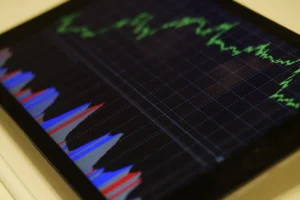
An algorithm volatility monitor tracks unusual movement in search results so you can separate routine ranking noise from update-driven turbulence. For SEOs, publishers, agencies, and analysts, the tool surfaces when SERPs become unstable, which keyword groups are moving most, and whether shifts are isolated to a page set, a vertical, a device type, or a broader Google update pattern. Instead of reacting to every daily fluctuation, you get a clearer signal for when rankings are being reshuffled at scale and when deeper investigation is justified.
What an algorithm volatility monitor does
An algorithm volatility monitor measures the rate and magnitude of ranking change across a tracked keyword set over time. In practical terms, it helps you answer four immediate questions: are results moving more than usual, where is the movement concentrated, when did it begin, and does the pattern resemble a broad update or a niche-specific disruption.
At SERP Volatility, that means focusing on turbulence rather than only position snapshots. A ranking drop from position 4 to 7 matters differently if the entire SERP is churning than if the rest of the market is stable. Volatility data adds that missing context. It turns isolated rank changes into interpretable market signals.
Core signals the tool should surface
A useful monitor should show more than a single “hot” or “calm” score. It should help teams identify the shape of instability across the SERP landscape, including:
- Daily and hourly turbulence trends across tracked keyword sets
- Segment-level movement by industry, intent, device, and location
- Winner and loser patterns across domains, directories, and page types
- Feature-level disruption such as local packs, featured snippets, shopping, or news results
- Persistence of movement, so teams can tell a one-day spike from a multi-day reshuffle
When to use an algorithm volatility monitor
Use it whenever rankings move and the cause is unclear. The monitor is most valuable in periods where standard rank tracking creates more questions than answers. If visibility declines across multiple pages at once, if competitors swap positions unusually fast, or if traffic softens without an obvious technical issue, volatility data helps determine whether the problem is site-specific or part of a wider SERP event.
Use it during suspected Google updates
When Google is testing, rolling out, or recalibrating ranking systems, turbulence often appears before official confirmation. A volatility monitor can reveal whether movement is broad-based, whether certain verticals are hit first, and whether the instability is intensifying or fading. This is especially useful for agencies that need to brief clients before the update narrative is fully formed.
Use it after major site changes
If you launch a migration, revise templates, update internal linking, or publish large batches of content, the monitor helps you avoid misattribution. If the whole market is unstable, your ranking changes may not be caused solely by the deployment. If the market is stable and only your keyword clusters are moving, your site changes deserve closer scrutiny.
Use it to prioritize investigations
Not every ranking dip needs a full audit. Volatility monitoring helps teams decide when to wait, when to annotate, and when to escalate. That saves analyst time and reduces unnecessary reactive work during short-lived SERP swings.
How to interpret volatility signals correctly
The biggest mistake is treating all movement as equally meaningful. A strong monitor should help you distinguish between normal churn, temporary testing, and sustained update behavior.
High volatility does not always mean you have a problem
If rankings are moving across the board, broad turbulence may be the main driver. In that scenario, the right response is often observation and segmentation, not immediate page rewrites. Compare your affected keywords against the wider market, then break the movement down by page type, intent class, and SERP feature presence.
Low volatility with sharp losses is often more actionable
When the wider SERP is relatively calm but your pages decline materially, the signal is stronger. That pattern points more directly to content quality, technical indexing, internal cannibalization, link changes, or competitor improvements. Stable markets make site-specific losses easier to diagnose.
Persistence matters more than a single spike
One volatile day can reflect testing. Three to seven days of elevated movement across related keyword groups usually deserves a more serious response. Look for repeated reshuffling, not just a single abnormal reading. Sustained instability often aligns with broader ranking recalibration rather than random noise.
Practical benefits for SEO teams
- Reduce false alarms when routine fluctuations are mistaken for penalties or failures
- Spot update patterns early and brief stakeholders with more confidence
- Prioritize audits based on market context instead of isolated rank drops
- Segment turbulence by niche, device, and SERP feature to find where risk is concentrated
What to look for in a commercially useful monitor
For agency and publisher workflows, the tool needs to be operational, not just visual. A chart alone is not enough. You need segmentation, historical baselines, and the ability to compare current turbulence against prior update periods. That makes it easier to answer client questions such as whether a drop is unique, whether competitors are seeing the same pattern, and whether the event is likely still unfolding.
Useful reporting views
Look for views that isolate volatility by keyword bucket, directory, country, device, and SERP feature mix. If your news section is unstable but evergreen guides are steady, the response should be different. If mobile is far more turbulent than desktop, that changes how you investigate layout, speed, and intent alignment.
Useful alerting behavior
Alerts should trigger on meaningful deviations from baseline, not every small movement. The best setups flag abnormal turbulence, identify affected segments, and provide enough context to decide whether to monitor, investigate, or communicate externally.
Short workflow example
An agency notices a client’s non-brand rankings slipping across commercial-intent pages on Tuesday morning. Before opening a full technical audit, the team checks the algorithm volatility monitor. The data shows elevated turbulence across the client’s vertical beginning late Monday, with mobile results moving more aggressively than desktop and product-listing-heavy SERPs showing the strongest churn. Competitor domains are also rotating in and out of the top 10. The team annotates the event, pauses reactive on-page changes, isolates the affected keyword clusters, and sends the client a same-day update explaining that the losses appear tied to wider SERP instability rather than a confirmed site issue. On Thursday, volatility remains high but the client’s category pages recover partially, confirming that immediate remediation would likely have been premature.
How SERP Volatility supports decision-making
SERP Volatility is built for interpreting unstable results, not just recording them. That means helping teams identify whether movement is broad or local, temporary or persistent, and informational or commercially significant. For publishers, this supports calmer editorial decisions during update cycles. For agencies, it improves client communication and triage. For in-house teams, it adds context that standard rank trackers often miss when the market is moving fast.
FAQ
Is an algorithm volatility monitor the same as a rank tracker?
No. A rank tracker shows where you rank. An algorithm volatility monitor shows how unstable the wider SERP environment is, so you can interpret those rankings in context.
How often should I check volatility data?
Daily is useful for active SEO teams, with closer monitoring during suspected updates, migrations, traffic anomalies, or major content deployments.
Can volatility data confirm a Google update?
It can indicate update-like patterns early, but it should be used alongside traffic, indexing, competitor movement, and page-level analysis rather than as a standalone confirmation.
What is the main value for agencies?
Faster triage, better client explanations, and fewer wasted hours investigating ranking shifts that are primarily caused by broader SERP turbulence.