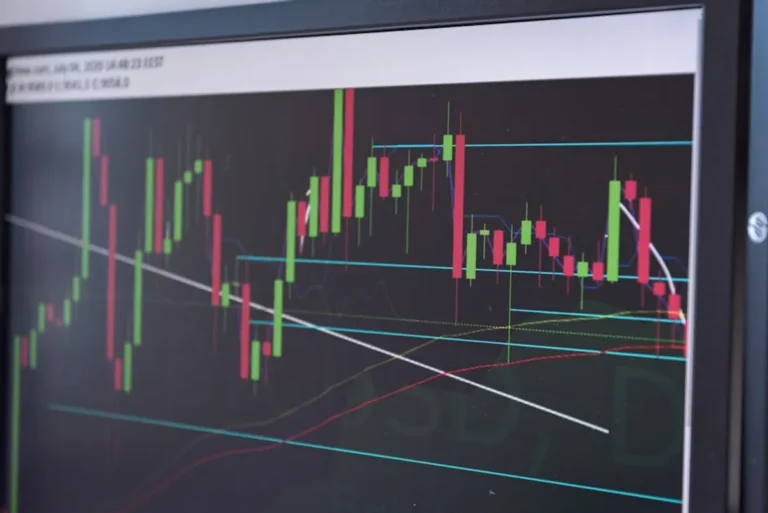
Google's search results are in constant flux. Algorithmic updates, competitive shifts, and evolving user intent mean that organic visibility is never a static target. For SEO professionals, marketers, and site owners, understanding and actively monitoring this SERP volatility is not merely an analytical exercise; it is a critical component of maintaining and growing organic traffic. Without a systematic approach to tracking these shifts, significant opportunities or threats can go unnoticed, directly impacting site performance and revenue. This article outlines how to effectively monitor Google ranking volatility, providing a framework for identifying, interpreting, and responding to changes in the search landscape.
The Nature of Google Ranking Volatility
Ranking volatility refers to the degree of fluctuation in a website's position in Google's search engine results pages (SERPs) for target keywords. This phenomenon is a direct consequence of Google's mission to deliver the most relevant and high-quality results, which necessitates continuous algorithm adjustments and re-evaluations of content.
Algorithmic Updates and Their Impact
Google regularly rolls out algorithmic updates, ranging from minor daily tweaks to broad core updates. These updates are designed to refine how content is evaluated for relevance, quality, and user experience. When a significant update occurs, it can trigger widespread ranking shifts across various industries and keyword sets. Monitoring volatility helps identify whether a site's performance changes correlate with these known updates, allowing for targeted analysis of affected content and technical elements. Keeping track of these changes helps discern genuine Google algorithm volatility from other potential ranking factors.
Competitive Landscape Shifts
Beyond Google's direct actions, the competitive environment plays a substantial role in ranking volatility. New competitors entering the market, existing competitors publishing superior content, optimizing their technical SEO, or acquiring high-authority backlinks can all cause a site's rankings to fluctuate. Observing these shifts through volatility monitoring provides insights into competitive pressures and areas where strategic adjustments are necessary.
Technical Site Issues and User Experience
Internal factors also contribute to volatility. Technical SEO issues like crawl errors, indexation problems, site speed degradation, or mobile usability issues can lead to sudden drops in rankings. Similarly, changes in user behavior or a decline in content quality can result in reduced engagement signals, which Google may interpret as lower relevance, triggering ranking declines. Effective monitoring can help pinpoint when internal issues might be the root cause of observed volatility.
Essential Metrics for Identifying Ranking Fluctuations
To effectively monitor Google ranking volatility, focus on specific, quantifiable metrics that provide a clear picture of performance shifts. These metrics move beyond simple rank tracking to encompass broader SERP changes and their impact.
- Average Position: Tracks the mean ranking for a selected group of keywords or pages over time. Significant deviations from the average signal volatility.
- Impression Share: Measures the percentage of times your content appeared in search results for target queries compared to the total possible impressions. Drops can indicate reduced visibility.
- Click-Through Rate (CTR): Monitors how often users click on your listing when it appears. Changes in CTR, especially for stable positions, can signal shifts in SERP feature prominence or competitive ad presence.
- SERP Feature Presence: Tracks the appearance and disappearance of elements like Featured Snippets, Local Packs, Knowledge Panels, and People Also Ask boxes. These features directly impact organic click potential, even if rank remains stable.
- Keyword Cannibalization: Identifies instances where multiple pages on your site compete for the same keyword, leading to unstable rankings for both pages.
- Indexed Pages Count: Sudden drops or spikes in the number of indexed pages can indicate technical issues or Google's re-evaluation of site quality.
Implementing a Volatility Monitoring Framework
Effective monitoring requires a combination of readily available data sources and dedicated platforms. The goal is to establish a routine that allows for timely detection and analysis.
Leveraging Google Search Console
Google Search Console (GSC) is a foundational tool for monitoring organic performance. The "Performance" report allows users to analyze query data, page performance, average position, impressions, and clicks over custom date ranges. Regularly checking for significant drops or spikes in average position across key queries or pages provides an initial indicator of volatility. The "Index Coverage" report also highlights crawl and indexation issues that could contribute to ranking instability.
Automated Rank Tracking Platforms
While GSC provides aggregate data, automated rank tracking platforms offer granular, daily keyword-level insights across a predefined set of terms. These platforms typically provide:
- Daily Position Updates: Tracking keyword rankings on a daily basis to identify immediate shifts.
- Historical Data: Maintaining a long-term record of keyword performance, essential for identifying trends and correlating changes with Google updates.
- Competitor Monitoring: Tracking competitor rankings for the same keywords, revealing competitive pressures.
- SERP Feature Tracking: Identifying changes in the presence of rich results and other SERP elements that influence visibility.
- Volatility Indices: Many platforms incorporate their own "volatility scores" or indices, which provide an aggregate measure of how much the SERPs are shifting for a given industry or keyword set.
The value here lies in the ability to quickly visualize large-scale ranking changes, set up alerts for significant drops, and segment data by keyword groups, landing pages, or device types.
Analyzing SERP Feature Changes
SERP features significantly alter the organic landscape. A site might maintain its #1 organic ranking, but if a Featured Snippet or Local Pack appears above it, its effective visibility and CTR can plummet. Monitoring the presence and changes of these features is crucial for a complete picture of volatility and its impact on user engagement.
Interpreting Volatility: Signal vs. Noise
Not every ranking fluctuation warrants immediate action. Distinguishing between normal "noise" and significant "signals" is key to efficient SEO management.
Establishing Baselines
Understand your typical level of daily or weekly fluctuation. Some industries and keyword sets are inherently more volatile than others. Establishing a baseline helps in recognizing when a shift is outside the normal range.
Correlating with External Factors
When significant volatility is detected, cross-reference it with known Google algorithm updates (e.g., via industry news sources). Also, investigate competitor activity: have they launched new content, gained significant links, or undergone a site redesign? This contextual analysis helps attribute observed changes to specific causes.
Pro Tip: Not all ranking volatility signals a problem. Small, daily fluctuations are normal. Focus analysis on sustained drops or surges across a significant keyword set, particularly those impacting high-value pages or revenue-generating terms. Overreacting to minor shifts can divert resources from more impactful SEO initiatives.
Strategic Responses to Sustained Volatility
Once significant, sustained volatility is identified and analyzed, a strategic response is necessary. Avoid knee-jerk reactions; instead, base actions on data-driven insights.
If a decline is observed:
- Content Audit: Review content quality, relevance, freshness, and comprehensiveness for affected pages. Look for opportunities to update, expand, or consolidate content.
- Technical SEO Audit: Re-evaluate site speed, mobile-friendliness, crawlability, indexability, and schema markup for any new issues that might have emerged or been exacerbated by an update.
- Backlink Profile Review: Analyze recent link acquisitions and losses. Investigate any unusual patterns in your backlink profile or that of competitors.
- User Experience Analysis: Examine user engagement metrics (bounce rate, time on page) for affected pages in Google Analytics. Low engagement can signal content misalignment or poor user experience.
If a surge is observed:
- Capitalize on Gains: Identify what changed to cause the positive shift. Can this be replicated across other pages or keyword sets?
- Optimize for Conversion: With increased visibility, ensure the affected pages are fully optimized for conversions to maximize the commercial benefit.
Sustaining Vigilance in a Dynamic SERP Environment
Monitoring Google ranking volatility is an ongoing process, not a one-time task. Regular checks, combined with a deep understanding of your site's performance metrics and the broader search landscape, empower SEO professionals to react strategically to changes. By integrating volatility monitoring into your routine SEO operations, you can proactively adapt to Google's evolving algorithms, maintain competitive advantage, and secure your organic visibility against the inevitable shifts in search.
Frequently Asked Questions
What causes Google ranking volatility?
Google ranking volatility is primarily caused by algorithmic updates (both major and minor), shifts in the competitive landscape (new content, improved SEO from competitors), and internal technical issues on your own website (crawl errors, slow loading times, poor user experience).
How often should I monitor my rankings for volatility?
For critical keywords and high-value pages, daily monitoring through automated platforms is recommended to catch significant shifts quickly. For broader trends and less critical terms, weekly or bi-weekly checks of aggregate data in Google Search Console are sufficient.
Is all ranking volatility bad for my site?
No, not all volatility is negative. Small, daily fluctuations are normal and expected. Positive volatility, where rankings improve significantly, indicates that your site may have benefited from an algorithm update or successful SEO efforts. The key is to distinguish between normal noise and meaningful shifts.
What is the first step when I detect significant ranking volatility?
The first step is to analyze the scope and nature of the change. Determine which keywords, pages, or segments of your site are affected. Then, cross-reference the timing of the volatility with known Google updates or recent changes on your site or competitor sites to identify potential causes before formulating a response.