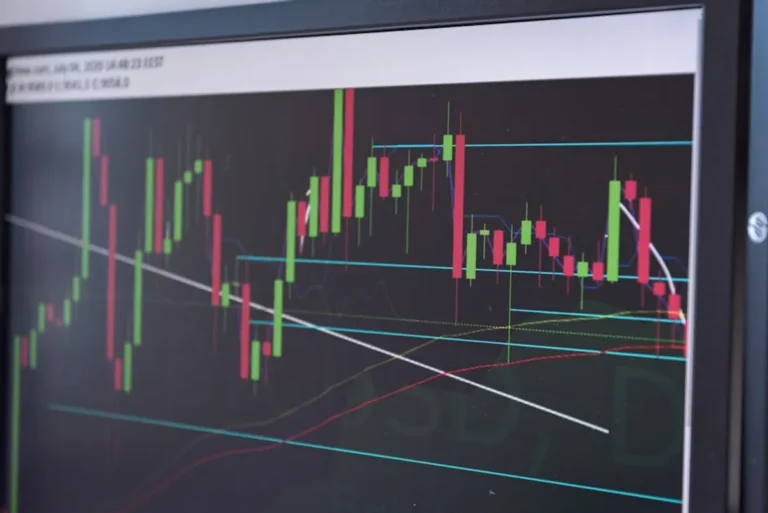
Rank changes are a constant in search engine optimization, yet traditional reporting often presents these fluctuations as isolated events. A keyword moves up or down, and the report states the change. What's frequently missing is the critical context: the broader search landscape's stability, or lack thereof. Incorporating volatility data into SEO reporting moves beyond simply stating rank changes to explaining the underlying market dynamics. This shift offers a more sophisticated understanding of performance, enabling more informed strategic decisions and transparent stakeholder communication.
Understanding Volatility Data in SEO Context
Volatility data in SEO measures the degree of fluctuation within search engine results pages (SERPs) over a given period. It quantifies how much positions are shifting for a set of keywords, a specific niche, or across the entire search index. High volatility signifies significant movement, often indicative of algorithm updates, intense competitive activity, or a rapidly evolving search landscape. Conversely, low volatility suggests a stable environment where rank changes are more likely attributable to site-specific factors. Understanding these shifts requires a focus on key SERP volatility metrics that signal underlying market dynamics.
This data provides a crucial lens for interpreting rank performance. Without it, a sudden drop in rankings might trigger panic and an intensive internal audit, when the reality could be a broad market correction impacting many sites. Similarly, a modest gain might seem minor without the context of an overall turbulent period, where any positive movement signals strong resilience.
Differentiating Internal vs. External Performance Factors
The primary benefit of integrating volatility data is its ability to help distinguish between internal site issues and external market shifts. When a client or internal stakeholder sees a significant drop in keyword rankings, the immediate assumption is often a problem with the site's SEO implementation, content quality, or technical health. Volatility data offers a verifiable counter-narrative:
- High Market Volatility + Rank Drop: Suggests the drop is likely part of a broader market adjustment, possibly due to a core algorithm update or increased competitive pressure. This shifts the focus from immediate site-level fixes to strategic adaptation and monitoring.
- Low Market Volatility + Rank Drop: Strongly indicates a site-specific issue. This directs resources immediately to technical audits, content quality reviews, backlink profile analysis, or user experience issues.
- High Market Volatility + Rank Stability/Gain: Highlights exceptional performance and resilience. The site is holding its ground or improving while competitors are fluctuating significantly, reinforcing the value of current SEO strategies.
This distinction is vital for accurate diagnosis and efficient resource allocation. It prevents chasing phantom problems when the market is simply rebalancing, and it quickly flags genuine site-level deficiencies when the market is calm.
Integrating Volatility Data into Reporting Frameworks
Effective integration of volatility data transforms a standard SEO report into a strategic document. It moves beyond "what happened" to "why it happened" and "what to do next."
Explaining Performance Shifts with Context
When presenting rank changes, always overlay them with volatility metrics. Visualizations are particularly effective here. A line graph showing a site's average rank for a key segment of keywords, plotted against the average volatility score for those same keywords or the broader industry, immediately tells a more complete story. For example, if a site's rankings dip, but the volatility line simultaneously spikes, it provides a clear, data-backed explanation for the stakeholder.
Best for: Client-facing reports, executive summaries, internal performance reviews.
Forecasting and Expectation Management
Volatility data is a forward-looking indicator. Periods of increasing SERP instability often precede or accompany significant algorithm updates. By monitoring these trends, SEO professionals can proactively adjust strategies, prepare for potential shifts, and manage client expectations. If volatility is rising, it's prudent to communicate that rank fluctuations are likely in the near future, regardless of current site performance. This sets realistic goals and avoids surprise or disappointment.
Best for: Quarterly planning, strategic roadmapping, client communications during turbulent periods.
Pro Tip: When presenting volatility data, always pair it with actionable insights. High volatility isn't just a data point; it's an indicator for further investigation into competitor moves, algorithm shifts, or emerging keyword trends. Conversely, periods of low volatility can be ideal for testing significant site changes, as the impact of those changes will be less obscured by external noise.
Identifying Algorithm Update Impacts
One of the most powerful applications of volatility data is its ability to help pinpoint the impact of algorithm updates. When a broad core update rolls out, market-wide volatility typically surges. By cross-referencing a site's performance changes with these volatility spikes, it becomes clearer whether a rank shift is an isolated incident or part of a larger, systemic change initiated by the search engine. This allows teams to quickly assess whether their strategies align with the new algorithmic preferences.
Best for: Post-update analysis, forensic SEO, strategy validation.
Opportunity Spotting and Competitive Analysis
High volatility in a specific keyword segment or industry vertical can signal a market in flux. This instability can represent an opportunity for agile sites to gain ground. If competitors are experiencing significant rank swings, it might indicate vulnerabilities or a re-evaluation of established players. Monitoring competitor volatility relative to your own can reveal strategic openings or areas where your site demonstrates stronger resilience.
Best for: Niche market entry, content strategy, competitive benchmarking.
Constructing an Actionable Volatility Report Section
To make volatility data actionable, structure its presentation clearly within your reports:
- Executive Summary Integration: Briefly summarize overall market volatility for the reporting period and its implications for the site's performance.
- Dedicated Volatility Section:
- Overall Market Volatility Score: A numerical score or trend line indicating general SERP stability.
- Segmented Volatility: Break down volatility by key keyword groups, product categories, or service areas.
- Site Performance vs. Volatility Overlay: Visualizations showing how the site's average rankings or traffic correspond to market volatility.
- Key Observations: Specific instances where high or low volatility explains particular rank movements.
- Strategic Recommendations: Based on the volatility analysis, suggest specific actions. For example, "Given the high volatility in [Keyword Segment], we recommend increasing content refresh frequency and monitoring competitor movements closely."
Refining Your Reporting with Volatility Insights
Incorporating volatility data into SEO reporting elevates the conversation from mere metrics to strategic insights. It empowers SEO professionals to provide more nuanced explanations for performance, anticipate market shifts, and guide stakeholders with greater confidence. By adopting this data-driven approach, reports become less about a static snapshot and more about a dynamic understanding of a site's position within an ever-changing search ecosystem. This leads to more effective resource allocation, better strategic planning, and ultimately, more sustainable organic growth.
Frequently Asked Questions
What is "volatility data" in SEO?
Volatility data in SEO quantifies how much search engine results pages (SERPs) are fluctuating for specific keywords or across an entire market. High volatility means significant rank changes are occurring, while low volatility indicates a more stable environment.
How does volatility data differ from standard rank tracking?
Standard rank tracking shows your site's position changes. Volatility data provides the context for those changes by indicating whether the overall market is stable or turbulent. It helps explain *why* ranks are shifting, not just *that* they are shifting.
Can volatility data predict algorithm updates?
While it cannot definitively predict future updates, a sustained increase in market-wide SERP volatility often precedes or accompanies broad core algorithm updates. Monitoring these spikes can help anticipate periods of significant rank shifts.
How often should I review volatility data?
For strategic planning and client reporting, monthly or quarterly reviews are standard. However, during periods of known algorithm updates or significant market shifts, daily or weekly monitoring of volatility data is advisable for rapid response and analysis.