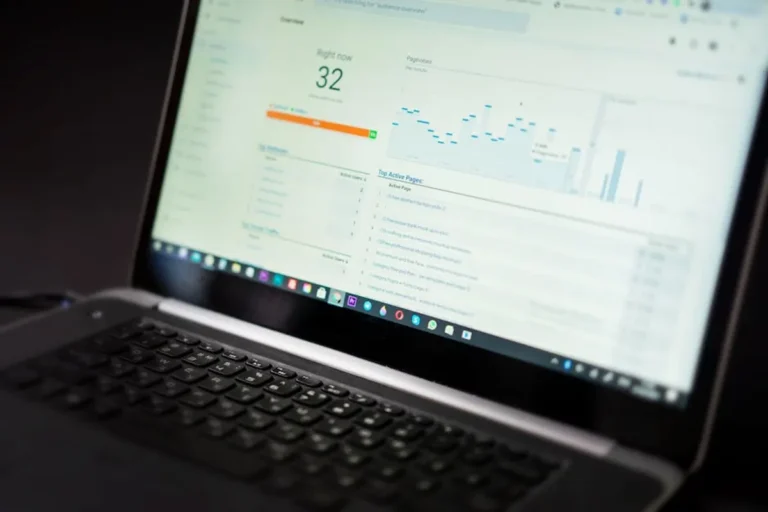
For SEO professionals, the decision to implement a keyword ranking tracker is fundamental. The more nuanced choice, however, centers on the frequency of data collection: daily versus less frequent intervals. Daily SERP position tracking moves beyond basic performance checks; it serves as an immediate diagnostic tool for understanding market shifts, algorithm impacts, and content effectiveness in near real-time. This guide outlines the critical features and practical applications necessary for leveraging daily rank data to inform strategic SEO decisions, focusing on how this granular insight directly impacts agility and competitive response. Understanding how to effectively use a keyword ranking tracker is fundamental to modern SEO success.
The Imperative of Daily SERP Position Tracking
While weekly or monthly rank checks offer a general overview, daily tracking provides the immediate feedback loop essential for navigating a volatile search landscape. This granularity is not merely about more data; it's about detecting subtle shifts that precede major trends, identifying the precise timing of algorithm updates, and pinpointing the exact impact of competitor actions or your own site changes.
- Early Detection of Volatility: Daily data reveals micro-fluctuations that signal broader SERP instability, allowing for proactive investigation rather than reactive damage control.
- Precise Impact Attribution: When a site update, new content deployment, or a known Google algorithm change occurs, daily tracking correlates ranking shifts directly with that event, providing clearer cause-and-effect analysis.
- Competitor Movement Insight: Observe competitor ranking gains or losses daily to understand their content effectiveness, link acquisition velocity, or technical SEO improvements as they happen.
- Content Performance Validation: Quickly assess if new or optimized content is gaining traction or falling flat, enabling rapid iteration and refinement.
Core Features of an Effective Daily Rank Tracker
A robust keyword ranking tracker designed for daily monitoring must go beyond simple position reporting. Its utility is defined by its ability to deliver actionable intelligence consistently. The most effective keyword ranking tracker offers more than just data; it provides strategic insights.
Granular Data Collection and Retention
The foundation of daily tracking is the actual daily data point. Ensure the platform reliably fetches and stores daily SERP positions for all tracked keywords. Long-term data retention is crucial for historical analysis, allowing you to compare current performance against weeks, months, or even years prior to identify seasonal patterns or long-term trends.
Best for: Understanding the true trajectory of keyword performance over time, not just snapshots.
Comprehensive SERP Feature Monitoring
Modern SERPs are rich with features beyond the standard blue link. A capable tracker identifies and reports on your visibility within:
- Featured Snippets
- Local Packs
- Image/Video Carousels
- People Also Ask boxes
- Knowledge Panels
- Shopping results
Tracking these features daily provides insight into immediate opportunities or threats, as winning a featured snippet can dramatically impact traffic regardless of organic position.
Best for: Maximizing visibility across all SERP real estate and adapting to evolving search result layouts.
Competitor Monitoring and Benchmarking
Daily tracking should extend to your key competitors. Monitor their daily ranking shifts for shared keywords, identify their top-performing content, and see how they react to algorithm changes. This competitive intelligence allows for proactive strategy adjustments rather than simply reacting to market share loss.
Best for: Maintaining a competitive edge and identifying market opportunities or emerging threats.
Customizable Reporting and Alerting
Raw data is only useful when transformed into insights. Look for trackers that offer:
- Scheduled Reports: Daily, weekly, or monthly reports delivered directly to stakeholders, summarizing key performance indicators.
- Custom Dashboards: Visualizations that highlight critical trends, such as significant rank changes, SERP feature gains/losses, or overall visibility scores.
- Threshold-Based Alerts: Instant notifications for major ranking drops (e.g., a keyword falling out of the top 10), sudden gains, or changes in SERP feature ownership.
Best for: Streamlining data review and ensuring immediate awareness of critical performance shifts.
Pro Tip: When setting up daily tracking, segment your keywords into logical groups (e.g., by product category, intent, or content type). This allows for more targeted analysis, helping you quickly identify which areas of your site are most affected by SERP volatility or algorithm updates, rather than sifting through a single, undifferentiated list.
Implementing a Daily Tracking Workflow
Strategic Keyword Selection and Grouping
Begin by curating a comprehensive list of keywords critical to your business. Include:
- Core Business Keywords: High-volume, high-intent terms directly tied to conversions.
- Long-Tail Opportunities: Specific, lower-volume phrases that often drive qualified traffic.
- Competitor Keywords: Terms where your rivals consistently rank well, indicating market share.
- Branded Keywords: Essential for monitoring brand visibility and reputation.
Organize these keywords into logical groups or tags within the tracker. This structure is vital for efficient analysis, allowing you to filter data and generate reports that align with specific campaigns or content strategies.
Geographic and Device Segmentation
SERP results vary significantly by location and device. Ensure your tracker can monitor positions for specific geographic targets (e.g., city, state, country) and across different devices (desktop, mobile). This segmentation reveals localized performance issues or mobile-specific ranking disparities that might otherwise be missed.
Establishing Baselines and Performance Benchmarks
Before making any changes, establish a baseline of your current daily rankings. This initial data set provides a reference point against which all future performance can be measured. Define clear performance benchmarks—e.g., target positions for specific keyword groups, desired SERP feature presence—to objectively evaluate progress.
Leveraging Daily Data for Strategic Adjustments
The true value of daily tracking lies in its ability to inform rapid, data-driven decisions. Instead of waiting weeks to see if a content update improved rankings, you can observe the impact within 24-48 hours. If a key keyword drops significantly, immediate investigation can reveal if it's a technical issue, a competitor surge, or an algorithm shift, allowing for a swift, targeted response. This agility is crucial in competitive niches where even a few days of lost visibility can translate to substantial revenue impact.
Optimizing Your Tracking Investment
To maximize the return on your daily rank tracking, integrate its data with other SEO tools. Connect ranking data with Google Search Console for impression and click-through rate insights, and with Google Analytics to correlate ranking shifts with actual traffic and conversion changes. This holistic view ensures that ranking data isn't viewed in isolation but as a critical component of overall digital performance.
Actionable Insights from Daily SERP Data
Daily SERP position tracking is more than a monitoring exercise; it's an early warning system and a performance validation mechanism. By providing immediate feedback on ranking fluctuations, SERP feature changes, and competitive movements, it empowers SEO professionals to act decisively. This granular data allows for rapid iteration on content, timely technical adjustments, and a proactive stance against algorithm updates, ultimately driving more consistent and predictable organic growth.
Frequently Asked Questions
How often should I check my keyword rankings?
For most professional SEO operations, daily checking is recommended. This frequency provides the most current view of SERP volatility, algorithm impacts, and competitive shifts, allowing for timely strategic adjustments.
What is the main difference between daily and weekly rank tracking?
Daily tracking offers real-time insight into immediate performance changes, enabling rapid response to issues or opportunities. Weekly tracking provides a broader trend overview but may miss critical short-term fluctuations or the precise timing of impacts from algorithm updates or site changes.
Can daily tracking help identify algorithm updates?
Yes, daily tracking is highly effective for identifying the onset and impact of algorithm updates. Sudden, widespread ranking shifts across a significant portion of your tracked keywords often correlate directly with a Google update, allowing you to analyze the specific types of pages or content affected.
How many keywords should I track daily?
The number of keywords to track daily depends on your budget, the size of your website, and the complexity of your SEO strategy. Prioritize core business keywords, high-value long-tail terms, and those where competitors are strong. Start with a manageable set and expand as needed, ensuring each tracked keyword provides actionable data.