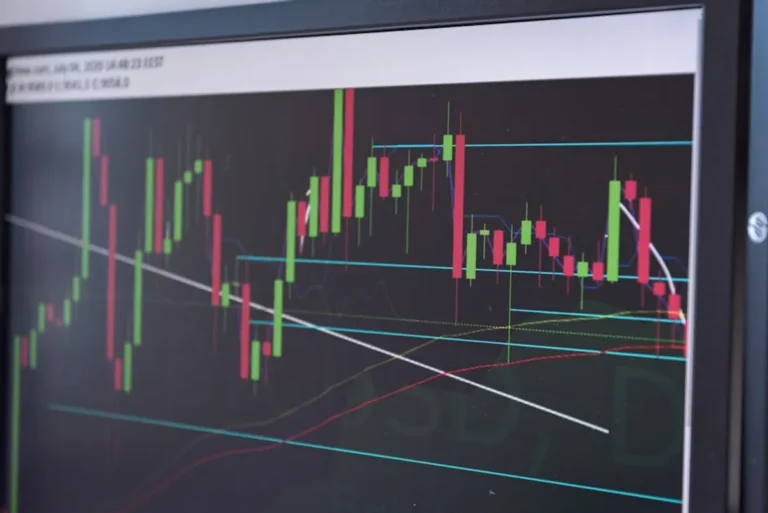
For any SEO professional, distinguishing between typical search engine results page (SERP) fluctuations and a genuine ranking decline is fundamental to effective strategy. Reacting appropriately requires an accurate diagnosis: is the site experiencing normal market turbulence, or a deeper, more problematic shift? Misinterpreting these signals can lead to wasted resources on non-issues or, worse, neglecting critical problems that demand immediate attention. Understanding the nuances between ranking volatility and a ranking drop informs whether to monitor and adapt, or to investigate and intervene. Understanding the difference between ranking volatility vs ranking drop informs whether to monitor and adapt, or to investigate and intervene.
Defining Ranking Volatility
Ranking volatility refers to the frequent, often minor, shifts in a website's position within the search results for specific keywords. These movements are typically characterized by positions moving up and down within a relatively stable range, without a sustained loss of visibility or a significant, long-term drop in average position. It represents the inherent dynamism of the SERP ecosystem. This dynamism means that monitoring google ranking volatility is key to distinguishing between normal fluctuations and genuine issues.
Causes:
- Minor Algorithm Updates: Search engines frequently roll out small, unannounced adjustments to their ranking algorithms. These tweaks can cause temporary shifts as the algorithms re-evaluate content.
- Competitive Flux: Competitors making minor content updates, gaining or losing backlinks, or technical improvements can cause slight positional changes for your site relative to theirs.
- Indexation Anomalies: Temporary issues with how search engines crawl and index pages can lead to brief positional changes.
- Personalization and Localization: SERP results vary based on user location, search history, and device. This natural variation can contribute to what appears as volatility in aggregate data.
- Testing by Search Engines: Search engines constantly test new features and ranking signals, which can cause temporary shifts for specific queries or result sets.
Impact: Volatility is often a normal part of the SERP landscape. While it requires monitoring, it typically doesn't necessitate immediate, drastic action. It can, however, be an early indicator of broader trends or an upcoming larger update if the range of fluctuations begins to widen or consistently trend downwards.
Defining a Ranking Drop
A ranking drop, in contrast to volatility, signifies a sustained and often significant decrease in a website's position for one or more keywords, usually accompanied by a noticeable decline in organic traffic. This is not a temporary oscillation but a clear downward trajectory that persists over time, indicating a more fundamental issue with the site's performance or its alignment with search engine guidelines.
Causes:
- Major Algorithm Updates: Core updates by search engines often re-evaluate broad aspects of content quality, relevance, and user experience. Sites that no longer meet these updated standards can experience substantial and lasting drops.
- Manual Penalties: Direct actions by search engine quality reviewers for violating guidelines (e.g., spammy backlinks, cloaking, thin content) result in severe and targeted ranking drops.
- Technical SEO Issues: Problems with crawlability, indexability, site speed, mobile usability, or broken internal linking can prevent search engines from effectively accessing and understanding site content, leading to de-ranking.
- Content Quality Degradation: If content becomes outdated, irrelevant, or significantly outranked by superior competitor content, its perceived value to search engines and users can decrease, causing positions to fall.
- Aggressive Competitive Shifts: A competitor launching a significantly better content strategy, acquiring many high-quality backlinks, or making substantial technical improvements can push your site down the rankings permanently.
Impact: A ranking drop demands immediate and thorough investigation. It signals a serious problem that, if left unaddressed, can lead to significant and lasting loss of organic visibility and revenue.
Key Differentiators and Diagnostic Approaches
The primary distinction lies in the magnitude, duration, and underlying cause. Volatility is minor, transient, and often systemic; a drop is significant, sustained, and usually indicative of a specific, addressable problem.
Magnitude and Duration:
A drop typically involves a loss of multiple positions (e.g., falling from position 3 to 15) that does not recover within days or weeks. Volatility might see a site move from 3 to 5 and back to 4 within the same week. Analyzing average position over a 7-day or 30-day period helps smooth out daily noise and reveal true trends.
Scope of Impact:
Volatility often affects a few keywords or pages sporadically. A significant drop usually impacts a broader set of keywords, specific content clusters, or even the entire site, leading to a noticeable decline in overall organic traffic metrics.
Pro Tip: When analyzing ranking data, always cross-reference with organic traffic from your analytics platform. Volatility might show positional shifts but minimal traffic impact, while a true ranking drop will almost always correlate with a distinct decline in organic sessions and conversions. This correlation is a strong indicator of a serious issue versus normal SERP flux.
Strategic Responses to Each Scenario
The appropriate response depends entirely on whether the observed movement is volatility or a genuine drop.
Responding to Ranking Volatility
When faced with volatility, the primary strategy is observation and refinement, not panic. Overreacting to minor shifts can introduce instability where none existed.
- Maintain Course: Continue with your established content and technical SEO strategies. Focus on incremental improvements and long-term quality.
- Monitor Trends: Pay attention to whether the range of volatility is widening or if the average position is slowly trending downwards over several weeks. This could signal an impending larger shift.
- Competitive Analysis: Use volatility as an opportunity to observe competitor movements. Are their positions also fluctuating, or are they gaining stability while you fluctuate?
- Content Refresh Cycles: Ensure your content remains fresh and relevant. Regular, minor updates can help maintain stability amidst general SERP movement.
Responding to a Ranking Drop
A confirmed ranking drop requires a structured, diagnostic approach to identify and rectify the underlying problem. Time is critical.
- Technical Audit: Immediately check for crawl errors, indexation issues, server response times, broken pages, and mobile usability problems. Ensure search engines can access and render your content effectively.
- Content Audit: Review the quality, relevance, and comprehensiveness of affected content. Is it outdated? Does it lack E-E-A-T (Experience, Expertise, Authoritativeness, Trustworthiness) signals? Are there opportunities to enhance or consolidate content?
- Backlink Profile Review: Investigate recent changes to your backlink profile. Have you lost valuable links? Have you acquired any potentially toxic or spammy links that could trigger a penalty?
- Algorithm Update Research: Consult reputable SEO news sources and industry discussions to identify any recent major algorithm updates that align with the timing of your drop. This can provide clues about the nature of the problem.
- Competitive Gap Analysis: Analyze what top-ranking competitors are doing differently. Have they improved their content, user experience, or technical foundation in ways you haven't?
Informed Action for Sustained Visibility
The ability to accurately differentiate between ranking volatility and a ranking drop is not merely an academic exercise; it is a critical skill that underpins effective SEO management. Volatility demands a patient, observational approach, focusing on long-term quality and adaptive monitoring. A ranking drop, conversely, requires swift, systematic diagnosis and targeted intervention. Mastering this distinction allows SEO professionals to allocate resources efficiently, avoid unnecessary overhauls, and respond decisively to genuine threats to organic performance, ultimately safeguarding and enhancing a site's visibility in a dynamic search landscape.
Frequently Asked Questions
How often should I check for ranking volatility?
Daily monitoring of key performance indicators (KPIs) and keyword positions is advisable. However, interpreting daily data should focus on trends rather than immediate reactions to minor fluctuations. Weekly or monthly reviews of average positions and traffic data provide a clearer picture of sustained changes.
Can ranking volatility turn into a drop?
Yes, volatility can sometimes be a precursor to a larger ranking drop. If the range of fluctuations consistently trends downwards, or if specific keywords start to show sustained lower positions within their volatile range, it may indicate that a site is losing ground and could be vulnerable to a more significant decline with the next major algorithm adjustment.
What's the first step after noticing a significant ranking drop?
The immediate first step is to confirm the drop's scope and timing. Cross-reference ranking data with organic traffic declines in analytics. Then, check for any known algorithm updates around that time and conduct a rapid technical audit to rule out critical site-wide issues like indexation problems or server errors.
Is all ranking movement bad?
No. Some ranking movement, particularly minor volatility, is a natural part of a dynamic search environment. Moreover, positive ranking movement (gains) is always a welcome sign. The key is to distinguish between benign fluctuations, beneficial improvements, and detrimental declines to ensure appropriate strategic responses.