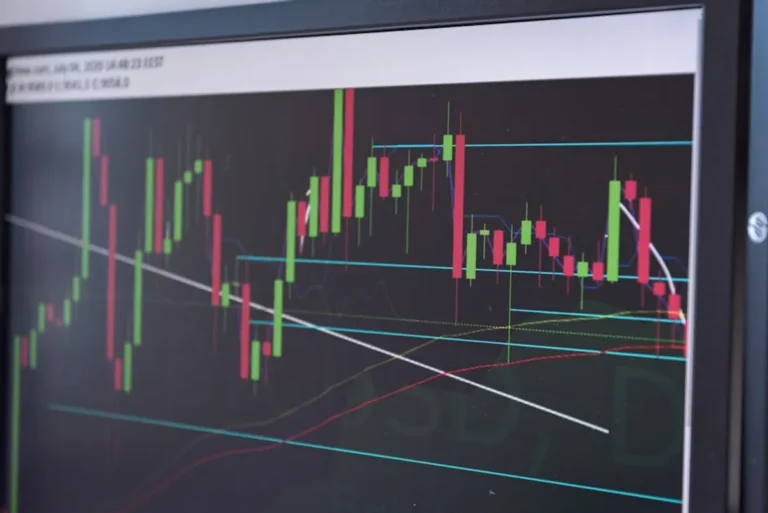
Sudden ranking movements represent a critical challenge for SEO professionals, marketers, and site owners. These abrupt shifts in organic search visibility can manifest as significant gains or precipitous drops, directly impacting traffic, conversions, and revenue. Understanding the underlying causes is not merely an academic exercise; it is essential for accurate diagnosis, effective mitigation, and strategic response. Without pinpointing the specific triggers, efforts to stabilize or recover rankings often prove inefficient, leading to wasted resources and prolonged periods of underperformance. The ability to quickly identify whether a movement stems from an algorithmic update, a technical error, a content issue, or competitive action dictates the entire recovery or optimization strategy. Without pinpointing the specific triggers, understanding how to read ranking fluctuations becomes paramount for effective mitigation.
Algorithmic Updates and System Adjustments
Search engine algorithms are in constant flux, with thousands of minor adjustments and several major core updates rolled out annually. These changes are a primary driver of sudden ranking movements, often affecting broad swathes of the SERP landscape.
- Broad Core Updates: These are significant, unannounced updates designed to improve the overall quality and relevance of search results. They do not target specific niches or issues but re-evaluate how content is scored across the entire index. Sites often see wide-ranging ranking shifts following a core update, impacting multiple keywords and pages simultaneously. Recovery or adaptation typically involves a holistic review of content quality, user experience, and E-A-T signals.
- Specific Algorithmic Adjustments: Beyond core updates, search engines deploy more targeted algorithms addressing particular aspects like spam, product reviews, helpful content, or local search. A sudden ranking drop might coincide with a product review update if your e-commerce site relies heavily on thin or unoriginal review content. Similarly, a site with a history of aggressive link building might experience a decline during a spam update. These adjustments are often more predictable in their focus, allowing for more targeted diagnostic and remedial actions.
Technical SEO Errors and Site Health Issues
Even robust websites can develop technical issues that lead to sudden ranking changes. These problems often hinder search engine crawlers or negatively impact user experience, signaling a decline in site quality.
Common technical triggers include:
- Crawlability and Indexability Blocks: An accidental change to a robots.txt file, a widespread 'noindex' tag, or a misconfigured canonical tag can prevent search engines from accessing or indexing critical pages. This is often an immediate and severe cause of ranking drops, as pages simply disappear from the index.
- Site Speed and Core Web Vitals Degradation: Significant slowdowns in page load times or a decline in Core Web Vitals metrics (LCP, FID, CLS) can negatively impact rankings, particularly for competitive keywords. A sudden increase in server response time or a poorly optimized new script can trigger such issues.
- Structured Data Errors: Incorrect or improperly implemented schema markup can lead to warnings or errors in search console tools, potentially reducing rich snippet visibility or even causing ranking penalties if the markup is deemed manipulative.
- Security Compromises: Hacked websites, malware infections, or phishing attempts can result in immediate de-indexing or significant ranking penalties as search engines prioritize user safety.
Content Quality and User Experience Shifts
Content is dynamic, and its effectiveness can diminish over time or in comparison to evolving competitor offerings. Changes here can directly influence how search engines perceive a page's value.
- Content Decay or Irrelevance: Information becomes outdated, statistics change, or user intent around a topic evolves. Pages that once ranked highly for evergreen content may suddenly drop if they haven't been updated to reflect current knowledge or address new angles.
- Thin or Low-Quality Content: The introduction of new pages with minimal unique value, duplicated content, or poorly written material can dilute a site's overall quality signal, potentially impacting the rankings of otherwise strong pages.
- Negative User Engagement Signals: If users consistently bounce quickly, spend very little time on a page, or immediately return to the SERP (pogo-sticking), search engines may interpret this as a sign of low relevance or poor user experience, leading to ranking demotion. This can be triggered by design changes, intrusive ads, or content that no longer matches query intent.
- E-A-T (Experience, Expertise, Authoritativeness, Trustworthiness) Erosion: For YMYL (Your Money or Your Life) topics especially, a perceived decline in E-A-T signals (e.g., lack of author bios, outdated citations, negative brand mentions) can lead to ranking volatility.
Competitive Landscape and SERP Feature Dynamics
Ranking is a zero-sum game; one site's gain is often another's loss. External competitive factors can induce sudden movements regardless of internal site changes. External competitive factors can induce sudden movements regardless of internal site changes, making it vital to monitor competitor ranking volatility.
- New Entrants or Aggressive Competitor SEO: A new competitor entering the market with highly optimized content, a strong backlink profile, or superior user experience can displace existing rankings. Similarly, established competitors might launch significant SEO campaigns, including content refreshes or aggressive link building, that push your pages down.
- SERP Feature Evolution: The layout of the search results page itself can change. New featured snippets, knowledge panels, video carousels, or "People Also Ask" sections can push organic listings further down the page, effectively reducing visibility even if the numerical ranking position remains stable.
- Link Profile Dynamics: A sudden influx of high-quality backlinks to a competitor's site can boost their authority. Conversely, a loss of significant backlinks to your own site (e.g., due to site redesigns on referring domains, or removal of old content) can weaken your authority and lead to drops.
Pro Tip: When analyzing sudden ranking movements, always cross-reference data sources. Check Google Search Console for manual actions, crawl errors, or indexing issues. Consult Google Analytics for traffic drops correlating with ranking changes. Use a rank tracking tool to pinpoint exact keyword and page shifts. Overlay these with known algorithm update dates and any recent site changes. Isolating the variable is key to accurate diagnosis.
External Factors and Penalties
Beyond the core SEO elements, external forces and direct penalties can also cause abrupt shifts.
- Manual Penalties: These are direct actions taken by search engine reviewers against sites violating webmaster guidelines (e.g., unnatural links, thin content, cloaking). Manual penalties are typically communicated via Google Search Console and result in severe, immediate ranking drops for affected pages or the entire site.
- Seasonality and Trends: For certain industries or topics, search demand fluctuates predictably throughout the year. A "sudden drop" might simply be a return to off-peak demand, rather than an SEO issue. Conversely, unexpected viral trends can cause temporary spikes.
- Negative SEO Attacks: While less common and often less effective than in the past, malicious link building campaigns (e.g., sending thousands of spammy links) or content scraping can, in rare cases, trigger ranking volatility or even manual review.
Actionable Steps for Stability
Responding to sudden ranking movements requires a systematic approach:
- Immediate Data Review: Check Search Console for messages, crawl errors, and performance data. Review analytics for traffic changes, particularly organic search segments.
- Identify Scope: Is the movement site-wide, category-specific, or limited to a few pages/keywords? This helps narrow down potential causes.
- Timeline Correlation: Cross-reference the date of the ranking movement with known algorithm updates, recent site changes (content updates, technical deployments, design changes), and competitor activity.
- Technical Audit: Conduct a rapid audit for critical issues like robots.txt, noindex tags, canonicalization, site speed, and server response.
- Content Reassessment: Evaluate affected pages for content quality, relevance, freshness, and E-A-T signals. Compare against top-ranking competitors.
- Backlink Analysis: Check for any sudden loss of high-quality links or the appearance of suspicious, low-quality links pointing to your site.
- Prioritize and Act: Address the most likely and impactful causes first. Implement fixes, monitor results, and iterate.
Frequently Asked Questions
Q: How quickly should I expect to see recovery after fixing a ranking drop cause?
A: Recovery times vary significantly. Technical fixes like resolving a robots.txt error can show results within days or weeks once pages are re-crawled. Content improvements or recovery from algorithmic penalties can take weeks to months, especially after a broad core update.
Q: Can a sudden ranking drop be due to a Google bug?
A: While rare, temporary indexing or crawling issues can occur. It's important to rule out all other common causes first. If you suspect a bug, monitor official search engine announcements and community forums for widespread reports.
Q: Is it possible for rankings to drop without any changes on my site?
A: Absolutely. Competitor improvements, algorithmic updates, changes in SERP features, or evolving user intent can all cause your rankings to shift even if your site remains static. SEO is a constantly moving target.
Q: What's the difference between a ranking drop and a traffic drop?
A: A ranking drop refers to a decline in your position on the search results page for specific keywords. A traffic drop refers to a decrease in the number of visitors to your site. While often related, you can have a traffic drop without a ranking drop (e.g., due to reduced search demand or increased SERP features pushing your listing lower), or a ranking drop without a severe traffic drop (if the affected keywords have low search volume).