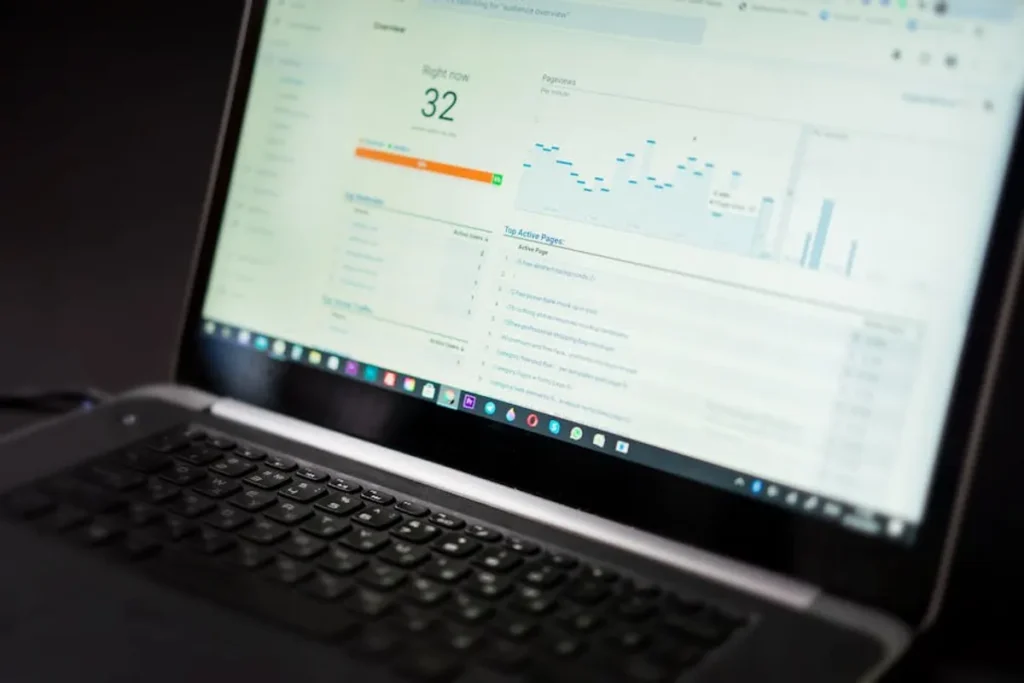
SERP Volatility’s Volatility Detection Tool identifies unusual movement in search results by measuring ranking turbulence across tracked keywords, pages, and SERP features. It helps SEOs, publishers, agencies, and analysts separate routine day-to-day fluctuation from meaningful instability, so teams can react faster to algorithm updates, competitor gains, indexing disruptions, and layout changes that affect visibility.
What the Volatility Detection Tool does
The tool monitors ranking shifts over time and flags abnormal patterns that suggest the search landscape is unstable. Instead of treating every position change as equally important, it evaluates the scale, speed, and breadth of movement across a keyword set. That makes it easier to answer practical questions such as: Is this a normal fluctuation? Is one page slipping, or is an entire topic cluster moving? Are competitors rotating into top positions? Did a SERP feature change reduce organic click opportunity?
For commercial SEO work, that distinction matters. A single keyword dropping two positions may not justify action. A coordinated shift across dozens of terms in the same category often does. The Volatility Detection Tool is built to surface those broader signals quickly.
Core signals it helps you interpret
The most useful output is not just a score, but context around the instability. Teams can use the tool to review:
- Sudden ranking swings across a tracked keyword segment
- Unusual movement concentrated in one page, folder, template, or topic cluster
- Competitor rotation in top positions
- SERP feature changes that alter organic visibility patterns
- Volatility spikes that align with suspected update windows
When to use a volatility detection tool
Use it whenever rankings become harder to explain with normal reporting. Standard rank tracking shows movement, but volatility detection shows whether that movement is isolated or systemic. That is especially important in periods where search results are unstable and reactive decisions can make performance worse.
During suspected Google update periods
When rankings shift across multiple categories at once, the tool helps confirm whether the turbulence is broad enough to resemble an update pattern. This allows teams to avoid overcorrecting on individual pages before the results settle. If volatility remains elevated for several days, that is often a stronger operational signal than a one-day drop in average position.
After site changes
Deploy it after migrations, template updates, internal linking changes, major content refreshes, or technical fixes. If volatility is concentrated in the affected section, the issue may be site-driven. If the movement mirrors broader market turbulence, the cause may be external. That distinction saves time in diagnostics.
For publisher traffic risk monitoring
Publishers often experience unstable visibility when news intent shifts, topic freshness changes, or SERP features expand. A volatility view helps editorial and SEO teams understand whether traffic pressure comes from ranking churn, changing result composition, or stronger competitor entry.
For agency client reporting
Agencies can use volatility data to frame ranking changes in a more credible way. Instead of reporting that positions moved, they can explain whether the client’s market was stable, mildly turbulent, or highly unstable. That context improves stakeholder confidence and supports better prioritization.
How to interpret volatility signals correctly
A volatility spike does not automatically mean a penalty, and a stable score does not guarantee safety. The value comes from reading the signal alongside page groups, competitors, and SERP composition.
High volatility across many keywords
This usually indicates a market-wide reshuffle. In practice, that can point to an algorithm update, a strong competitor push, or a change in how Google is weighting intent. In these cases, avoid rewriting large sections of content immediately. First identify whether losses are temporary rotations or sustained displacement.
High volatility in one section only
If turbulence is isolated to a folder, template, or topic cluster, the issue is more likely tied to your own site. Review recent changes, crawlability, canonicals, internal links, page speed, structured data, and content alignment. Segment-level instability is often more actionable than domain-level movement.
Stable rankings with falling clicks
This can happen when SERP features change even if positions do not move much. A volatility-aware workflow helps uncover whether result pages are becoming more crowded, whether featured elements are pushing listings down, or whether intent has shifted toward formats your pages do not satisfy.
What makes volatility data commercially useful
For teams responsible for revenue, leads, subscriptions, or ad traffic, volatility detection improves timing and prioritization. It reduces the chance of making costly changes during temporary turbulence and highlights cases where action is justified because the instability is persistent, localized, and strategically important.
Practical benefits
- Spot update-like turbulence earlier
- Separate site issues from market-wide movement
- Prioritize investigations by section, page type, or keyword cluster
- Give clients and stakeholders better context around ranking changes
A practical workflow for using the tool
A simple operating model works best: monitor, segment, compare, then act. The tool is most effective when volatility is reviewed against a baseline rather than in isolation.
Example workflow
An agency notices a client lost visibility across product comparison terms over 72 hours. First, they check the Volatility Detection Tool and confirm that the entire comparison keyword set shows elevated turbulence, while branded terms remain stable. Next, they compare competitor movement and find two publishers rotating into the top five with fresher list pages. Then they review the client’s affected templates and see outdated comparison tables and weaker internal links from category hubs. Instead of launching a full-site overhaul, they prioritize the comparison section, refresh key pages, strengthen internal linking, and continue monitoring whether volatility settles or remains elevated.
How SERP Volatility helps teams act faster
SERP Volatility is designed for people who need to interpret unstable search results, not just record them. That means the tool is useful in daily monitoring, incident response, update analysis, and client communication. By focusing on ranking turbulence and pattern detection, it helps teams understand whether they are seeing noise, a structural shift, or a competitive threat that requires intervention.
FAQ
What is a volatility detection tool in SEO?
It is a tool that measures unusual ranking movement across keywords or page groups to identify unstable search conditions and possible update patterns.
How is it different from a rank tracker?
A rank tracker reports positions. A volatility detection tool adds context by showing whether movement is normal, widespread, concentrated, or unusually severe.
When should I investigate a volatility spike?
Investigate when the spike persists, affects important keyword clusters, or is isolated to a section of your site that recently changed.
Can volatility detection confirm a Google update?
No. It can indicate patterns consistent with an update window, but confirmation requires broader analysis across competitors, site segments, and SERP behavior.