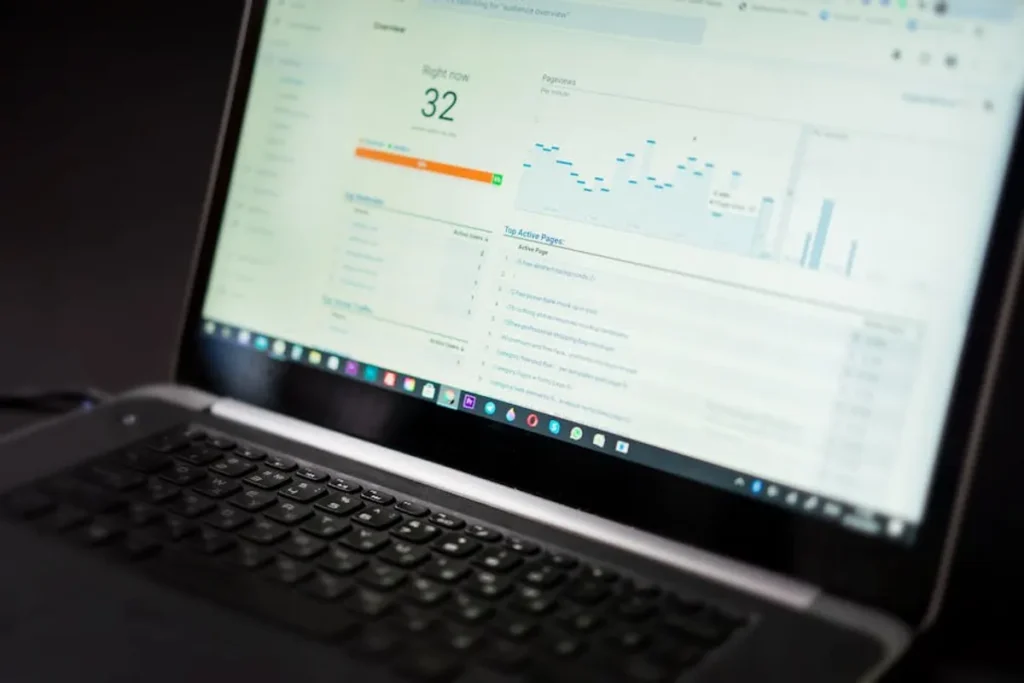
A search volatility monitor shows when Google’s results are moving more than normal across keywords, locations, devices, and SERP features. For SEOs, publishers, agencies, and analysts, it turns ranking turbulence into a usable signal: whether a visibility drop is likely tied to broader market movement, a site-specific issue, or the early phase of an algorithm update. SERP Volatility is built for that job. It highlights unusual ranking shifts, compares current turbulence against recent baselines, and helps teams interpret unstable results before they overreact to a single day of movement.
What a search volatility monitor actually does
A volatility monitor tracks how much the search results change over time rather than simply reporting where one domain ranks. That distinction matters. A rank tracker tells you position movement for your keywords. A search volatility monitor tells you whether the entire landscape is unusually unstable.
In practice, the tool measures patterns such as sudden reshuffling in top positions, abnormal day-over-day changes across keyword sets, movement by intent category, and shifts in SERP feature presence. When those signals rise together, the monitor flags elevated turbulence. That gives you context for interpreting traffic and ranking changes with more confidence.
SERP Volatility helps teams answer practical questions fast:
- Is this drop isolated to our site or affecting many sites in the same SERPs?
- Are results unstable across the market or only in one segment?
- Does this pattern look like a broad update, a feature rollout, or normal fluctuation?
- Should we investigate technical causes now or wait for the SERPs to settle?
When to use a search volatility monitor
The best time to use a volatility monitor is before you need an explanation. Daily monitoring creates a baseline, so unusual movement stands out immediately. That said, there are several moments when the tool becomes especially valuable.
After sudden ranking or traffic changes
If a site loses visibility overnight, the first mistake is assuming the problem is internal. A volatility monitor helps you check whether the wider SERP is also shifting. If turbulence is elevated across similar queries, the right move may be observation and segmentation rather than emergency changes to core pages.
During suspected Google updates
When update chatter starts, teams need evidence, not noise. A volatility monitor shows whether movement is isolated, rolling, or broad-based. Strong cross-category turbulence often appears before formal confirmation, which helps agencies prepare client communication and publishers prioritize investigation.
Before reporting to stakeholders
Executives and clients do not want a list of rankings without context. They want to know whether performance changes reflect competitive pressure, market-wide instability, or execution issues. Volatility data makes reporting more credible because it separates environmental turbulence from site-level outcomes.
While validating remediation work
When teams fix indexing, content, internal linking, or page quality issues, unstable SERPs can distort the readout. Monitoring volatility alongside recovery metrics helps avoid false attribution. If rankings improve during a highly turbulent period, you may need a longer validation window before declaring success.
How to interpret volatility signals correctly
Not every spike means a major update, and not every calm day means your rankings are safe. The value comes from reading patterns, not reacting to a single score.
Look for persistence, not just peaks
A one-day jump can reflect temporary reshuffling, data refreshes, or localized feature changes. More meaningful patterns often persist across multiple days or spread into additional keyword groups. If turbulence remains elevated and your tracked segments move in the same direction, the signal is stronger.
Segment by intent, device, and page type
Volatility is rarely uniform. Informational queries may swing while commercial terms remain stable. Mobile results may show stronger movement than desktop. News-oriented pages may be affected differently than evergreen guides or category pages. SERP Volatility is most useful when analysts compare segments instead of averaging everything into one headline number.
Separate market movement from site-specific weakness
If the monitor shows broad instability but only your pages are falling, you may still have a site issue. Conversely, if many domains are rotating through the top results, restraint may be the smarter decision. The monitor provides context, but diagnosis still requires page-level and technical review.
What to check when the SERPs become unstable
Once volatility rises, the next step is not random optimization. It is structured triage. Use the monitor to determine scope, then investigate the most likely causes.
Review affected query clusters
Start with the keyword groups showing the strongest movement. Are they tied to one topic, one template, one intent class, or one geography? Cluster-level analysis reveals whether the turbulence is broad or concentrated.
Inspect SERP feature changes
Ranking shifts are not always caused by blue-link reordering. Expanded AI overviews, video packs, local modules, shopping units, and forum results can all change click distribution. A volatility spike with feature churn often explains traffic loss even when average rank appears relatively stable.
Compare winners and losers
Identify which domains gained visibility during the unstable period. Did they improve freshness, authority signals, page format, or intent alignment? Competitive comparison turns turbulence into actionable insight instead of passive observation.
Check technical stability before rewriting content
If volatility is high, avoid making broad content changes before ruling out crawl, rendering, canonical, internal linking, and indexing issues. Market instability and technical weakness can overlap, and changing both at once makes diagnosis harder.
Practical benefits for SEO teams
- Reduces false alarms during broad SERP reshuffling
- Improves update detection and stakeholder communication
- Helps prioritize investigations by segment and severity
- Adds context to rank tracking, traffic analysis, and recovery work
Short workflow example
An agency sees a 14% visibility drop across a publisher account on Tuesday morning. Before changing pages, the team checks SERP Volatility and finds elevated turbulence in informational health queries on mobile, with strong movement in top-three positions and noticeable feature churn. They segment the account and confirm that commercial pages are mostly stable while article templates are fluctuating with the market. Instead of launching a sitewide rewrite, they brief the client, monitor for 72 hours, review competitor winners, and audit article indexing and internal links. By Friday, the broad turbulence eases and only a smaller set of pages still underperforms, giving the team a cleaner remediation target.
How SERP Volatility fits into a modern SEO stack
A search volatility monitor works best alongside rank tracking, Search Console analysis, log review, and competitive SERP inspection. It is the layer that explains whether movement is happening in a calm market or in unstable conditions. That context changes decision-making. In calm conditions, a ranking drop deserves faster investigation. In turbulent conditions, the same drop may require segmentation, patience, and closer monitoring before action.
For publishers, this means fewer reactive editorial changes during unstable periods. For agencies, it means stronger client narratives backed by market evidence. For in-house teams, it means better prioritization when multiple alerts arrive at once. The commercial value is simple: less wasted effort, faster diagnosis, and clearer communication when rankings become unreliable.
FAQ
What is the difference between a rank tracker and a search volatility monitor?
A rank tracker reports your keyword positions. A volatility monitor shows how unstable the wider SERP environment is, helping explain whether ranking changes are isolated or market-wide.
Can a volatility spike confirm a Google update?
No. It can strongly indicate unusual search movement, but confirmation requires broader evidence. Treat spikes as signals for investigation, not proof on their own.
How often should I check search volatility?
Daily is ideal. Regular monitoring creates a baseline, making abnormal turbulence easier to spot and interpret.
Who benefits most from this tool?
Agencies, publishers, in-house SEO teams, and analysts who need fast context for ranking shifts, update patterns, and unstable search results.