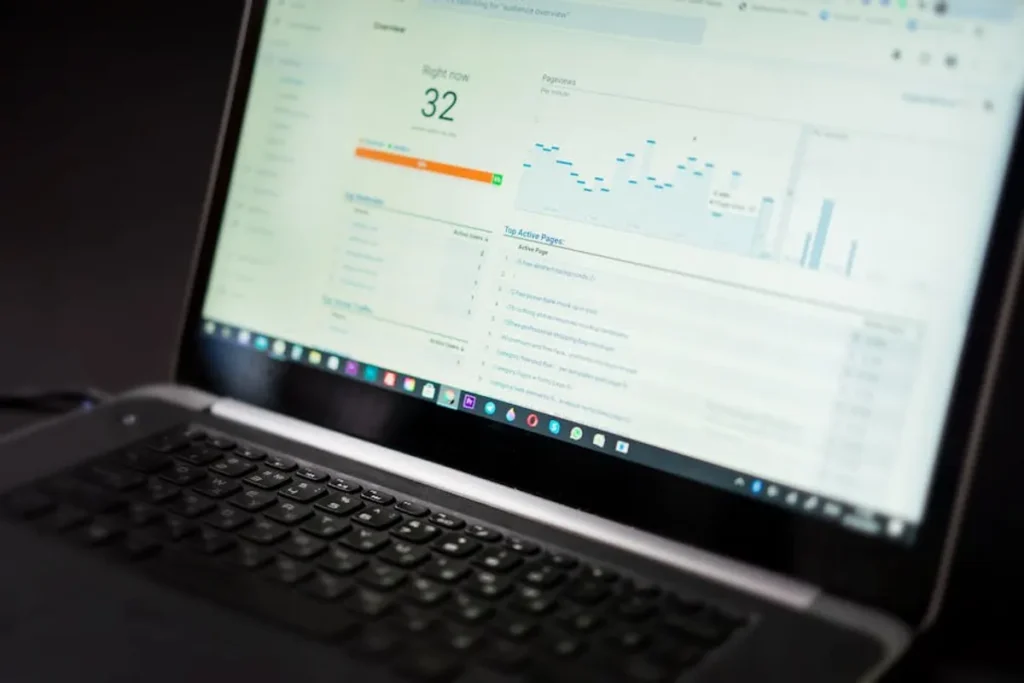
A SERP movement checker shows how much Google search results are shifting for a keyword set, category, market, or device over a defined period. Instead of only reporting whether one page moved from position 5 to 7, it highlights the broader instability behind those changes: how many URLs entered or dropped from the top results, whether the same domains are rotating repeatedly, and whether movement is isolated to a few terms or spreading across an entire segment. For SEOs, publishers, agencies, and analysts, that makes it a practical way to separate routine ranking noise from meaningful turbulence that may signal an algorithm update, intent recalibration, SERP layout change, or competitor push.
What a SERP movement checker actually measures
A useful SERP movement checker tracks ranking shifts across a monitored keyword set and turns them into volatility signals. The goal is not just to log positions, but to interpret how unstable the results are.
At a practical level, the tool monitors changes such as URL swaps in the top 10, domain turnover, average position deltas, sudden reversals, and synchronized movement across many keywords. When those patterns cluster together, they often indicate more than normal day-to-day fluctuation.
For example, if a single page drops two places on one keyword, that may be ordinary churn. If dozens of pages across a topic group lose ground at the same time while new domains rotate into the top results, that points to a stronger volatility event. A SERP movement checker helps identify that difference quickly.
Core signals worth watching
The most commercially useful movement checkers surface signals that explain the shape of the shift, not just the existence of it:
- Top 3, top 10, and top 20 result turnover
- New URL and domain entries replacing established rankings
- Keyword clusters showing synchronized gains or losses
- Device or location-specific instability
- Repeated daily reversals that suggest unsettled results
When to use a SERP movement checker
Use a SERP movement checker when rankings feel unstable and you need to know whether the issue is page-specific, competitor-driven, or market-wide. It is especially valuable during suspected Google updates, after major site changes, during traffic anomalies, or when clients want a fast explanation for abrupt visibility swings.
It is also useful before making reactive SEO decisions. Teams often overcorrect after a short-term drop that is really just temporary SERP turbulence. By checking movement patterns first, you can avoid rewriting pages, changing internal links, or rolling back content unnecessarily.
Best-fit scenarios
A movement checker is most useful in these situations:
- Traffic drops without a clear technical cause
- Large ranking swings across multiple keywords at once
- Suspected algorithm update periods
- Category-level instability in news, ecommerce, finance, health, or other sensitive verticals
- Client reporting that competitors are appearing and disappearing rapidly
How to interpret unstable results correctly
The biggest mistake in rank analysis is treating every movement as a page problem. In volatile periods, rankings can shift because Google is testing intent models, rotating result types, rebalancing freshness, or reevaluating authority signals. A SERP movement checker gives context for those movements so you can interpret them properly.
If volatility is broad across many unrelated domains, the signal often points to a Google-side event rather than a site-specific quality issue. If movement is concentrated around one content type, such as product pages or local landing pages, the pattern may indicate an intent or format preference shift. If only your site is moving while the rest of the results are stable, the issue is more likely internal.
Patterns that usually mean broader turbulence
Look for these patterns when assessing whether SERPs are genuinely unstable:
Multiple keywords in the same cluster move on the same day. Established URLs are replaced by different page types. Rankings bounce back and forth over several refresh cycles instead of settling. Competitor gains are inconsistent rather than sustained. These are classic signs of turbulence rather than a clean competitive displacement.
How SERP Volatility makes movement data more useful
SERP Volatility is built for teams that need to understand ranking turbulence, not just record positions. The value of a SERP movement checker improves when movement is connected to volatility patterns over time. That means comparing today’s shifts with recent baselines, identifying whether instability is isolated or widespread, and spotting update-like behavior before it becomes obvious in traffic reporting.
For agencies, this improves client communication because you can explain whether a drop is part of a wider SERP event. For publishers, it helps distinguish editorial performance issues from temporary reshuffling. For in-house SEO teams, it supports better prioritization by showing where movement is persistent enough to deserve action.
Practical benefits for SEO teams
- Reduce false alarms caused by normal ranking churn
- Spot update patterns earlier across tracked keyword groups
- Separate site-specific losses from market-wide instability
- Prioritize investigations where movement is sustained and material
A simple workflow for checking SERP movement
Start with a keyword segment, such as commercial category terms or high-value editorial queries. Compare the last 24 to 72 hours against the prior baseline. Review how many top 10 URLs changed, which domains entered or dropped, and whether movement is concentrated on mobile, desktop, or a specific location. Then cross-check whether your own losses align with broader volatility or stand apart from it.
Short workflow example
An ecommerce SEO team sees a 12 percent traffic decline in a product category. They run a SERP movement check on 150 category keywords and find heavy top 10 turnover on mobile, with several retailer and marketplace URLs rotating in and out over three days. Because the instability affects many domains, they hold off on rewriting templates immediately, monitor another 48 hours, and focus first on pages where rankings continue to weaken after the wider turbulence settles.
What to do after you detect high SERP movement
Once high movement is confirmed, the next step is triage. Do not assume every drop needs a content refresh. First, identify whether the volatility is broad, vertical-specific, or limited to your site. Next, compare affected keywords by intent, page type, and SERP feature presence. Then review whether your pages still match the dominant result format now being rewarded.
If the checker shows broad instability, monitor closely before making disruptive changes. If it shows stable competitor gains against your pages while the rest of the SERP is calm, move faster on content, internal linking, technical quality, and page experience review. The point is to match your response to the pattern of movement, not to the emotion of the moment.
FAQ
Is a SERP movement checker the same as a rank tracker?
No. A rank tracker records position changes. A SERP movement checker focuses on how unstable the results are overall and whether those changes reflect wider volatility.
How often should I check SERP movement?
Daily is useful for active monitoring, especially during suspected update periods. For lower-volatility sectors, several checks per week may be enough.
Can it help explain traffic drops?
Yes. It helps determine whether a drop is tied to broad SERP turbulence, competitor displacement, or a likely issue specific to your site.
What is the most useful segment to monitor?
Start with high-value keyword clusters by intent, category, device, or location. Segment-level movement is easier to interpret than isolated keyword swings.