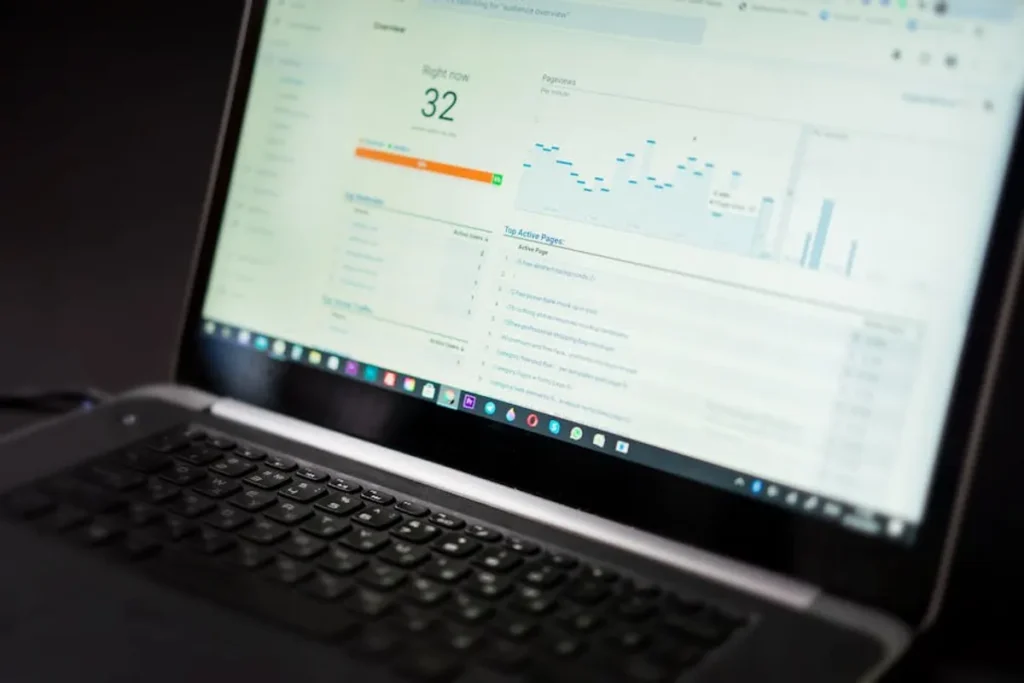
SERP Shift Checker is a volatility-focused tool for spotting meaningful ranking movement across keywords, pages, and search features, then separating normal day-to-day noise from genuine SERP instability. Instead of only showing whether a keyword moved up or down, it helps SEOs identify where rankings are shifting unusually fast, which URLs are being displaced, whether the movement is market-wide or isolated to a site, and how those changes line up with broader turbulence signals. For publishers, agencies, and in-house teams, that makes it useful for diagnosing update impact, validating traffic drops, prioritizing investigations, and deciding whether to react now or wait for results to settle.
What a SERP Shift Checker actually measures
A standard rank tracker records position changes. A SERP Shift Checker goes further by evaluating the structure and stability of the results page over time. That means tracking not just your position, but the degree of reshuffling across the top results, the appearance or removal of SERP features, changes in ranking overlap from one day to the next, and whether multiple domains are moving at once.
In practical terms, the tool is designed to answer questions such as:
- Did rankings move because of normal churn or because the SERP became unstable?
- Is the shift affecting one keyword, one page type, or an entire topic cluster?
- Are competitors being rotated in and out of the top results?
- Did a featured snippet, local pack, video block, or AI-driven result change click opportunity even if positions look similar?
For teams monitoring search visibility at scale, this distinction matters. A two-position drop in a calm SERP may indicate a page-level issue. The same drop during a high-volatility period may be part of a broader reshuffle that resolves in a few days.
When to use a SERP Shift Checker
Use it when rankings feel unstable, traffic changes do not match simple position reports, or you need evidence before making aggressive optimization decisions. It is especially valuable during suspected algorithm updates, after site migrations, following major content deployments, or when stakeholders want an explanation for sudden visibility swings.
High-value use cases
The tool is most useful in these situations:
After a traffic drop with mixed ranking data. If some keywords are flat, some are down, and some competitors are rotating unpredictably, shift analysis can show whether the market itself is unstable.
During suspected Google update activity. When multiple keyword groups show unusual movement at the same time, a shift checker helps confirm whether the turbulence is isolated or broad.
When page ownership changes within a domain. If category pages, guides, and tools begin swapping positions for the same query set, the issue may be cannibalization or reclassification rather than pure ranking loss.
For agency reporting. It gives clients a clearer explanation than “rankings moved,” especially when the real story is SERP churn, feature displacement, or temporary update volatility.
How SERP Volatility frames ranking shifts
SERP Volatility focuses on turbulence, not just static rankings. In a shift checker context, that means interpreting movement through patterns: velocity, breadth, persistence, and competitive displacement. A single ranking change is rarely enough to diagnose anything. What matters is whether the change is part of a larger unstable pattern.
Useful signals include:
Shift velocity
How quickly rankings are moving across consecutive checks. Rapid movement over short intervals often indicates unstable results rather than settled reordering.
Shift breadth
How many keywords, folders, templates, or markets are affected. Broad movement usually points to update-level turbulence, while narrow movement is more likely tied to a specific page or intent mismatch.
Shift persistence
Whether rankings snap back, continue drifting, or settle into a new order. Persistent change deserves action. Short-lived churn often deserves monitoring first.
Competitive displacement
Which domains or result types are replacing previous winners. If forums, videos, retailer pages, or publisher roundups suddenly enter the top results, the query may be undergoing an intent or format shift.
How to interpret unstable results without overreacting
The biggest commercial value of a SERP Shift Checker is decision quality. Many teams waste time fixing pages during temporary turbulence, or they miss serious issues because they assume all volatility is update noise. The right interpretation sits between those extremes.
If shifts are broad and market-wide
Pause major conclusions. Compare your movement against competitors and keyword cohorts. If everyone is rotating, the better move is to monitor patterns, annotate the event, and avoid unnecessary rewrites until the SERP stabilizes.
If shifts are concentrated on one page type
Investigate template, internal linking, indexing, and intent fit. Concentrated movement often signals a site-level issue affecting a specific section rather than a global update impact.
If positions are stable but clicks fall
Check feature shifts. A result can keep roughly the same rank while losing visibility because a snippet, video carousel, AI overview, or shopping result changed the page layout and click distribution.
If one competitor suddenly replaces multiple incumbents
Review content format, freshness, authority signals, and query alignment. This often indicates that Google has recalibrated what “best result” looks like for that intent class.
Short workflow example
An agency sees a publisher client lose traffic across a reviews section on Tuesday. The rank tracker shows average movement of only two to three positions, which does not fully explain the drop. Using a SERP Shift Checker, the team finds that review keywords experienced high overlap loss in the top 10, several video results entered the page, and two competing media brands replaced long-standing text-heavy pages. Because the shift is broad across the niche, the agency logs it as SERP turbulence first, delays a full content rewrite, and instead prioritizes page format testing, snippet optimization, and daily monitoring until the results settle.
What practical benefits teams get from this tool
- Faster separation of true ranking loss from temporary SERP churn
- Better update diagnostics across keyword groups and page types
- Clearer client and stakeholder reporting during unstable periods
- Smarter prioritization of fixes based on persistence and breadth of movement
What to review alongside shift data
A SERP Shift Checker is strongest when paired with traffic, page segmentation, and feature-level analysis. For commercial usefulness, review ranking shifts by directory, intent class, device, and result type. A homepage drop means something different from a product-grid drop or a knowledge-content drop. Likewise, mobile turbulence may not match desktop behavior.
It is also worth comparing branded and non-branded query sets. If only non-branded queries are unstable, the issue may be competitive or algorithmic. If branded rankings are also shifting, technical or indexing factors may deserve immediate review.
FAQ
Is a SERP Shift Checker different from a rank tracker?
Yes. A rank tracker records position changes. A SERP Shift Checker interprets how unstable the results page is, how much the top results are reshuffling, and whether movement looks isolated or market-wide.
How often should I check SERP shifts?
Daily is useful during volatile periods, suspected updates, migrations, or major launches. In calmer periods, regular monitoring by keyword group or page type is usually enough.
Can it help explain traffic drops when rankings barely changed?
Yes. Feature changes, result-type shifts, and top-10 reshuffling can reduce click opportunity even when average ranking movement looks small.
Should I make changes immediately when volatility spikes?
Not always. If the turbulence is broad and temporary, waiting for persistence signals can prevent unnecessary edits. If the movement is concentrated and sustained, action is more justified.