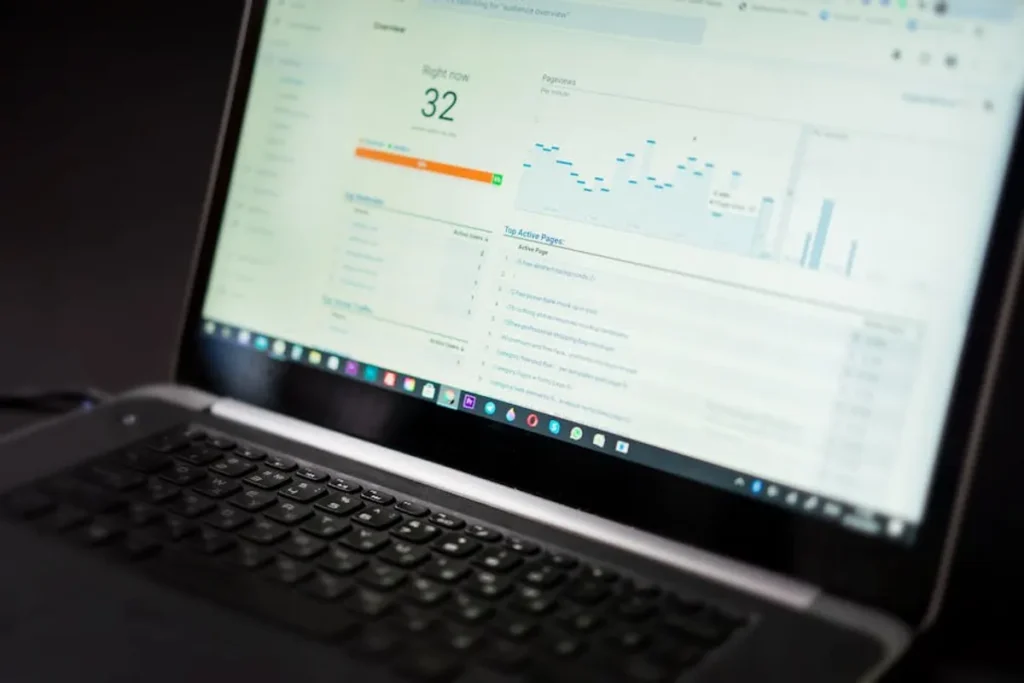
A SERP volatility detection tool shows when search results are shifting faster than normal, so you can separate broad ranking turbulence from site-specific losses. Instead of treating every position drop as a technical or content problem, it highlights whether Google is reshuffling results across keywords, locations, devices, or verticals. For SEOs, publishers, agencies, and analysts, that means faster diagnosis, better client communication, and more accurate decisions during unstable periods.
What a SERP volatility detection tool actually measures
The tool tracks movement patterns in the search results over time and converts them into usable volatility signals. Rather than only reporting whether a keyword moved up or down, it looks for abnormal change across a wider keyword set and compares current movement against a baseline. If rankings are fluctuating more than expected, the tool flags elevated turbulence.
Useful volatility detection typically measures:
- Day-over-day ranking movement across tracked keywords
- The percentage of URLs entering or leaving top positions
- Shifts in intent patterns, such as informational pages replacing commercial ones
- Device or location-specific instability
- Category-level turbulence, including news, local, ecommerce, or publisher-heavy queries
This matters because not all ranking movement means the same thing. A two-position drop during a calm period may indicate a page-level issue. The same drop during a highly volatile window may simply reflect broad SERP reordering.
When to use a SERP volatility detection tool
Use it as soon as rankings start moving in clusters, traffic changes without an obvious technical cause, or clients ask whether Google has updated something. It is especially valuable when multiple pages shift at once, competitor visibility changes abruptly, or search results begin showing unusual URL churn.
Best use cases for teams monitoring unstable results
A volatility tool is most useful in moments where interpretation matters more than raw rank tracking:
- After sudden visibility drops across many keywords
- During suspected core update rollouts or unconfirmed turbulence
- When comparing your site’s losses against market-wide movement
- When validating whether a recovery is real or just temporary SERP noise
- When prioritizing investigations across technical, content, and off-page factors
For agencies, this prevents overreacting to routine fluctuations and helps frame reports around market conditions. For publishers, it helps distinguish editorial performance issues from broader result-set instability. For in-house SEO teams, it reduces wasted time chasing false alarms.
How the tool helps interpret ranking shifts
The commercial value of a SERP volatility detection tool is not just visibility into movement, but context. If the tool shows elevated turbulence across your tracked topic cluster, then ranking losses should be interpreted differently than isolated declines in a stable environment.
Practical interpretation usually follows three questions:
- Is the movement isolated to our site, or visible across the wider SERP set?
- Is the instability concentrated in one topic, template, device, or location?
- Is the pattern temporary churn, or the start of a sustained reordering?
That context changes what you do next. Broad volatility suggests waiting for confirmation before making major page changes. Isolated losses during low-volatility periods suggest a deeper audit of content quality, internal linking, indexing, or page experience.
Signals that indicate meaningful turbulence
Not every fluctuation deserves escalation. A good volatility workflow focuses on patterns that consistently precede larger ranking shifts or update-like conditions.
High-value volatility signals to watch
Look for combinations of signals rather than a single metric:
- Multiple tracked keywords moving sharply in the same 24 to 72 hour window
- Frequent URL replacement in top 10 results
- Large swings among established domains, not just fringe pages
- Different behavior by mobile versus desktop results
- Intent reclassification, such as forum, video, or news results taking more space
These patterns usually indicate a live recalibration in the SERP, not normal day-to-day drift. For analysts, this is where a volatility tool becomes more useful than a basic rank tracker: it helps explain why movement is happening, not just that it happened.
Practical benefits for SEO teams
- Reduce false alarms during broad Google turbulence
- Prioritize investigations based on market-wide versus site-specific movement
- Improve update reporting with evidence of unstable results
- Set better expectations with clients and stakeholders
Short workflow example
An agency sees a 12 percent visibility drop across a retail client’s non-brand keywords on Tuesday morning. Instead of immediately rewriting category pages, the team checks the volatility detection tool. It shows elevated turbulence across the retail keyword set, especially on mobile, with high top-10 URL churn affecting several major competitors. The agency holds major on-page changes for 48 hours, reviews whether affected pages share technical issues, and sends the client a market-context update. By Friday, half the losses reverse as the SERP stabilizes. The remaining declines are then isolated to pages with weaker internal linking and thin supporting content.
What to look for in a SERP volatility detection tool
If you are evaluating tools commercially, focus on whether the output helps you make decisions during unstable periods. The best platforms do more than show a temperature score. They let you segment turbulence by keyword groups, compare devices and locations, and identify whether volatility is concentrated in specific SERP features or content types.
Useful evaluation criteria include:
- Keyword set transparency and update frequency
- Historical baselines for comparing current turbulence against normal conditions
- Segmented views by industry, intent, device, and geography
- Visibility into winners, losers, and URL churn
- Reporting that supports client communication and internal analysis
For teams managing multiple properties, the real advantage is operational: faster triage, fewer unnecessary changes, and better timing when deciding whether to wait, investigate, or act.
FAQ
Is SERP volatility the same as a Google update?
No. High volatility can happen during confirmed updates, unconfirmed recalibrations, or short-lived result testing. The tool helps identify instability, but interpretation still matters.
Can a volatility tool explain why my rankings dropped?
It helps narrow the cause. If the wider SERP is unstable, losses may be market-wide. If volatility is low and only your pages declined, the issue is more likely site-specific.
How often should I check SERP volatility?
Daily monitoring is useful for active SEO programs, especially for publishers, agencies, and teams in competitive verticals where ranking turbulence can change quickly.
Should I make changes during high volatility?
Usually not immediately. First confirm whether the movement is broad and temporary. During unstable periods, aggressive edits can make diagnosis harder unless a clear technical issue is already present.